
How to Start an Amazon Online Business in 2026: The Ultimate Step-by-Step Guide
Keywords: Amazon online business, sell on Amazon, Amazon FBA guide, Amazon seller account, product research, Amazon SEO, Amazon listing optimization, fulfillment by Amazon, Amazon marketing
Introduction — Why Choose Amazon Online Business?
Starting an online business on Amazon is one of the most exciting and potentially profitable ways to sell products in 2026. With millions of customers shopping globally every day, Amazon gives sellers access to a massive audience and advanced tools designed to help businesses grow faster. Whether you want to run Amazon FBA (Fulfilled by Amazon) or FBM (Fulfilled by Merchant), Amazon allows entrepreneurs to build scalable income online.
In this article, we will walk you through everything you need to know — from registering your seller account to scaling up with Amazon SEO, fulfillment strategies, business planning, and marketing.
1. Understanding Your Business Options on Amazon
Before you begin, it’s important to understand the options available for selling on Amazon:
1.1 Amazon FBA (Fulfilled by Amazon)
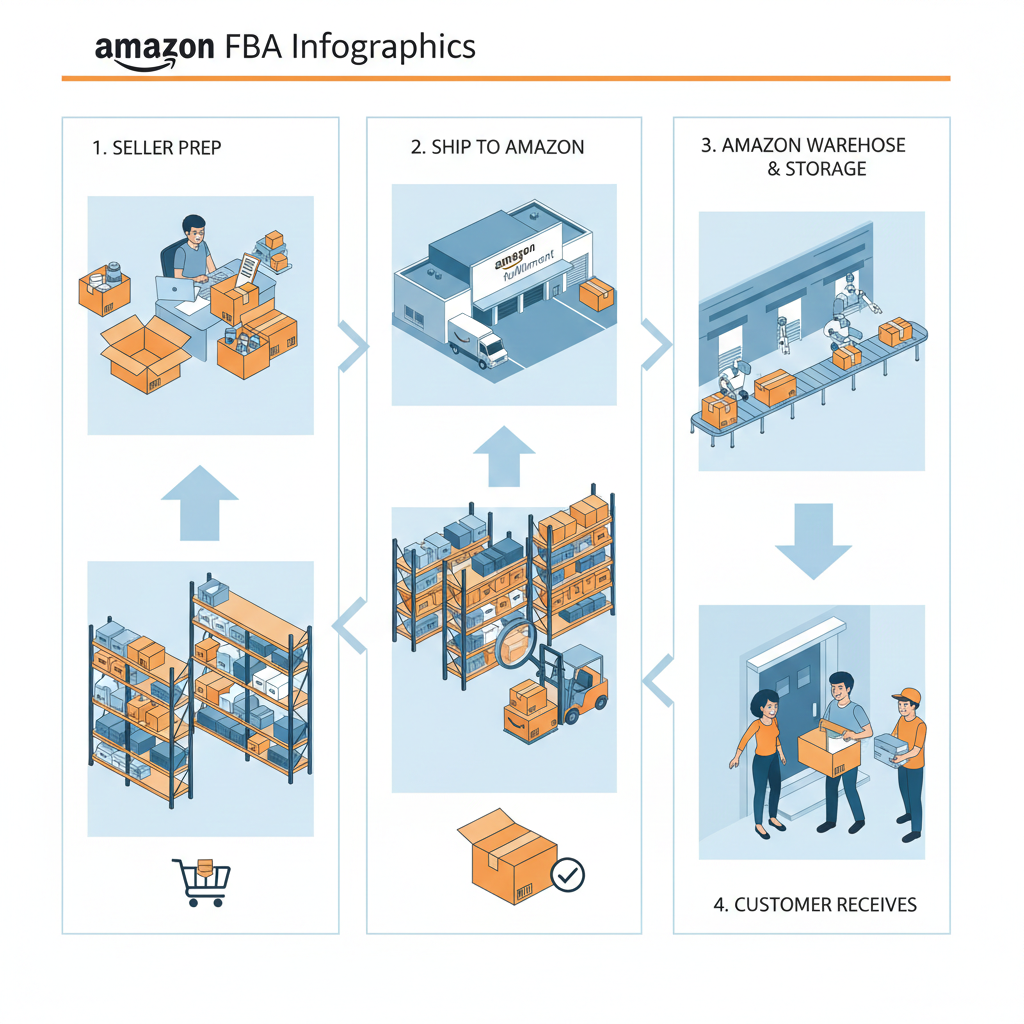
With FBA, you send your inventory to Amazon’s warehouses, and Amazon handles inventory storage, shipping, customer service, and returns. This lets you focus more on product research, marketing, and scaling your business.
1.2 Amazon FBM (Fulfilled by Merchant)
Here, you manage storage, packing, and shipping. It gives more control but requires more work. FBM can be good for sellers with smaller inventories or local stock.
1.3 Amazon Private Label
Here you create or brand unique products and sell them under your own brand name — this is one of the most scalable Amazon business models.
1.4 Amazon Wholesale
You buy products in bulk from manufacturers and resell them on Amazon with smaller margins but less product development work.
Each model has pros and cons — the choice depends on your budget, experience, and long-term goals.
2. Step 1 — Product Research & Niche Selection
Choosing the right product is the foundation of a successful Amazon business. The market on Amazon is crowded, so you must find products that are in demand but not overly competitive.
2.1 What Makes a Profitable Product?
A good product typically has:
-
High customer demand
-
Low to medium competition
-
Good profit margins
-
Easy to ship and store
-
Not overly regulated or restricted
Use tools like Amazon Best Seller lists, Google Trends, Helium 10, Jungle Scout, and AMZScout to analyze demand and competition.
3. Step 2 — Setting Up Your Amazon Seller Account
To start selling on Amazon, your first step should be to create a Seller Central account.
3.1 Choose the Right Plan
Amazon offers:
-
Individual Seller Plan – Best for beginners; no monthly subscription, but pay per sale.
-
Professional Seller Plan – Monthly subscription with access to advanced tools, advertising, and reporting.
3.2 Required Documents & Setup
To register, you generally need:
-
Valid email address
-
Government ID or business registration
-
Bank account for payments
-
Tax information (based on your country)
-
Phone number
After verification, you’ll get access to Amazon Seller Central where you can start listing products.
4. Step 3 — Product Sourcing & Inventory Planning
Once you’ve chosen your product ideas, your next task is to source inventory.
4.1 Where Can You Source Products?
Common places include:
-
Alibaba & Global Manufacturers
-
Local suppliers
-
Trade shows
-
Crafted or private label manufacturers
Ask for product samples before making bulk purchases and negotiate terms like minimum order quantity (MOQ), price, and delivery schedule.
4.2 Inventory Management
Plan your inventory carefully so you don’t run out of stock (which can hurt rankings) and avoid overstock (which can increase storage costs).
5. Step 4 — Creating Your Amazon Product Listing
Your Amazon listing is your digital storefront. A well-optimized listing can dramatically increase visibility and sales.
5.1 Product Title
Include your main keyword and make it clear and specific.
5.2 Product Images
Use high-quality images from multiple angles. Add lifestyle images showing the product in use.
5.3 Product Description & Bullet Points
Write clear bullet points outlining key product features and benefits. Use relevant keywords naturally throughout the description.
5.4 Backend Keywords
Include additional relevant terms in the backend search terms to help improve search rankings.
6. Step 5 — Fulfillment Strategy: FBA vs FBM
Deciding how you will fulfill orders is critical:
6.1 FBA (Fulfilled By Amazon)
Amazon stores your products, picks, packs, ships, and provides customer support. This helps boost your chances of winning the Buy Box and getting more Prime customers.
6.2 FBM (Fulfilled By Merchant)
You handle fulfillment — this can save money, but requires time and effort.
Pro Tip:
Many sellers start with FBM and transition to FBA as they scale.
7. Step 6 — Pricing & Profit Margin Strategy
Pricing affects both your sales velocity and profit. Calculate your costs carefully:
-
Product cost
-
Shipping and fulfillment
-
Amazon referral and FBA fees
-
Advertising expenses
Aim for at least 25–30% profit margin after all expenses. Overpricing can reduce sales while underpricing can hurt profits.
8. Step 7 — Launch & Marketing Your Amazon Product
Once your listing is live, marketing is essential to start getting sales.
8.1 Amazon Advertising
Use Amazon PPC (Pay-Per-Click) to target keywords and get visibility early on.
8.2 Promotions & Deals
Offer discounts, coupons, and special deals to attract buyers.
8.3 Reviews & Social Proof
Encourage buyers to leave honest reviews. Good reviews improve rankings and conversions.
9. Step 8 — Monitoring and Scaling Your Business
When your product starts selling, your work isn’t over — you need to manage:
-
Inventory levels
-
Pricing strategies
-
Customer messages
-
Return rates
-
Product performance metrics
Use Amazon tools like Seller Central dashboards and third-party analytics to make data-driven decisions.
9.1 Scaling Your Business
-
Launch additional products
-
Expand to other Amazon marketplaces
-
Use advanced advertising strategies
-
Consider international selling
Scaling requires optimization and reinvestment of profits.
10. Legal, Financial & Tax Considerations
Running your Amazon business responsibly means:
-
Registering your business legally
-
Maintaining proper accounting & bookkeeping
-
Understanding tax rules & compliance based on where you sell
If selling in different countries, check local tax laws and commercial regulations.
11. Amazon SEO — Get Found by Buyers
Amazon’s marketplace has its own internal search engine. Optimizing for Amazon SEO helps your product appear in search results and drive organic traffic.
11.1 Key SEO Elements
-
Keyword-rich product title
-
Backend search terms
-
High-quality images
-
Clear bullet points
-
Fast shipping options (like FBA)
12. Common Mistakes to Avoid
Avoid these common pitfalls:
❌ Skipping product research
❌ Ignoring Amazon SEO
❌ Poor pricing strategy
❌ Ignoring customer feedback
❌ Insufficient inventory planning
Remember, success doesn’t happen overnight. It takes research, optimization, and consistent improvement.
13. Final Thoughts — Success on Amazon Is a Journey
Starting an Amazon online business in 2026 is an exciting entrepreneurship path. While the marketplace is competitive, sellers who focus on quality products, strong SEO, smart marketing, and customer satisfaction can succeed. Treat Amazon as a business — not a side gig — and your effort will pay off with sustainable growth.
Whether you’re a beginner or transitioning from another business model, use this guide as your roadmap to a successful Amazon venture.